
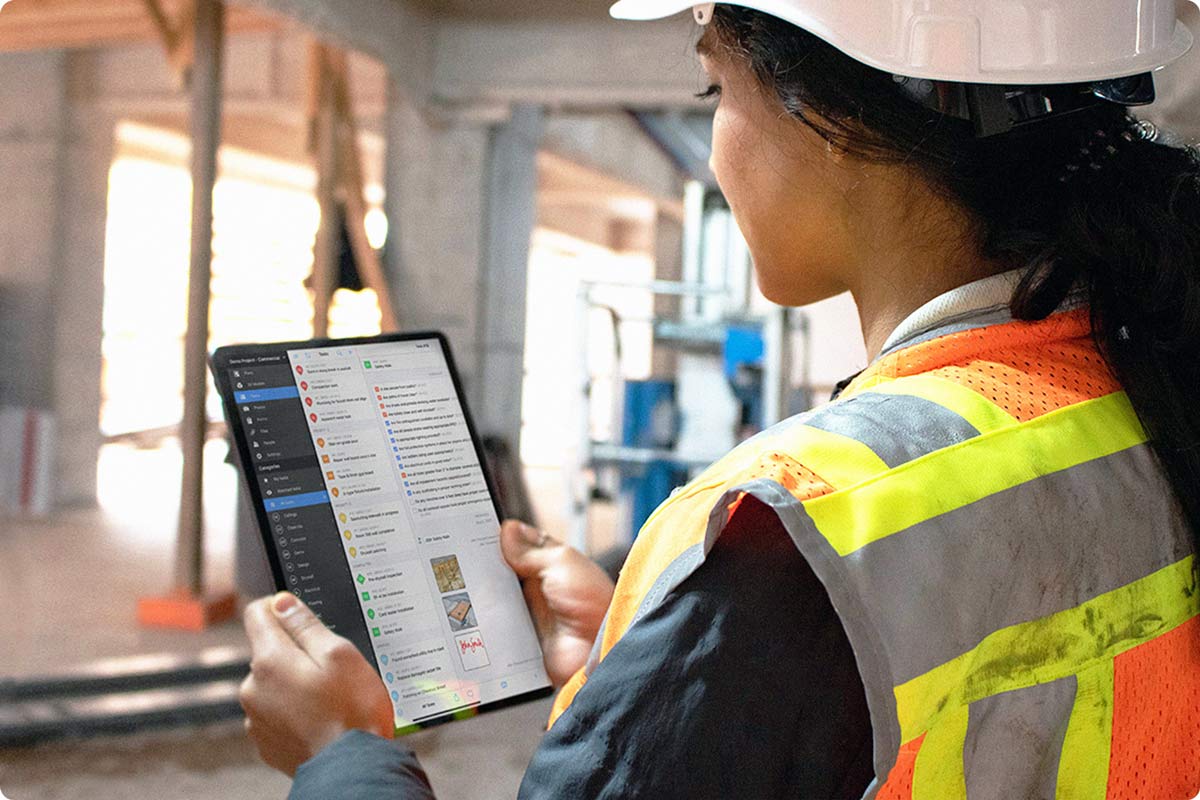
The construction industry is evolving rapidly with the integration of technology. One of the most significant advancements is the use of construction software, which has transformed how projects are planned, managed, and executed. From small businesses to large enterprises, Construction software plays a crucial role in enhancing efficiency, reducing costs, and improving project outcomes.
Benefits for Small Enterprises
Small construction companies often face unique challenges, including limited resources, tight budgets, and a smaller workforce. Construction software helps these enterprises by streamlining project management tasks, such as scheduling, budgeting, and resource allocation. With cloud-based tools, small businesses can access project data from anywhere, enabling better collaboration among team members. Additionally, automated reporting and real-time updates help small companies track progress efficiently, reducing the risk of delays and cost overruns.
Advantages for Large Enterprises
Large construction enterprises manage multiple projects simultaneously and require more sophisticated tools. Construction software for large companies offers comprehensive solutions, including advanced project scheduling, financial management, and risk assessment features. These platforms integrate with other enterprise systems, providing centralized data management across departments. With predictive analytics and AI-powered insights, large companies can optimize resource allocation, forecast potential issues, and make data-driven decisions. This level of organization ensures projects are completed on time, within budget, and to the highest quality standards.
Key Features to Look For
When choosing construction software, both small and large enterprises should focus on features that match their needs. Common features include project management dashboards, cost estimation tools, document management systems, and mobile access. Integration capabilities with accounting, CRM, and design software are also critical for seamless workflow. Additionally, scalability is important; small businesses may start with basic features but should have the option to upgrade as they grow.
Future of Construction Software
The future of construction software is closely tied to technological advancements such as artificial intelligence, machine learning, and IoT integration. These innovations will enable more accurate project predictions, automated risk management, and improved on-site safety monitoring. As construction companies continue to adopt digital solutions, software platforms will become an essential part of every construction project, regardless of the company’s size.
In conclusion, construction software has become a vital tool for enterprises of all sizes. Small companies gain efficiency and better project oversight, while large enterprises benefit from advanced analytics and comprehensive management capabilities. Investing in the right construction software not only improves project outcomes but also provides a competitive edge in an increasingly technology-driven industry.
Posted inService
Construction Software for Small and Large Enterprises
